



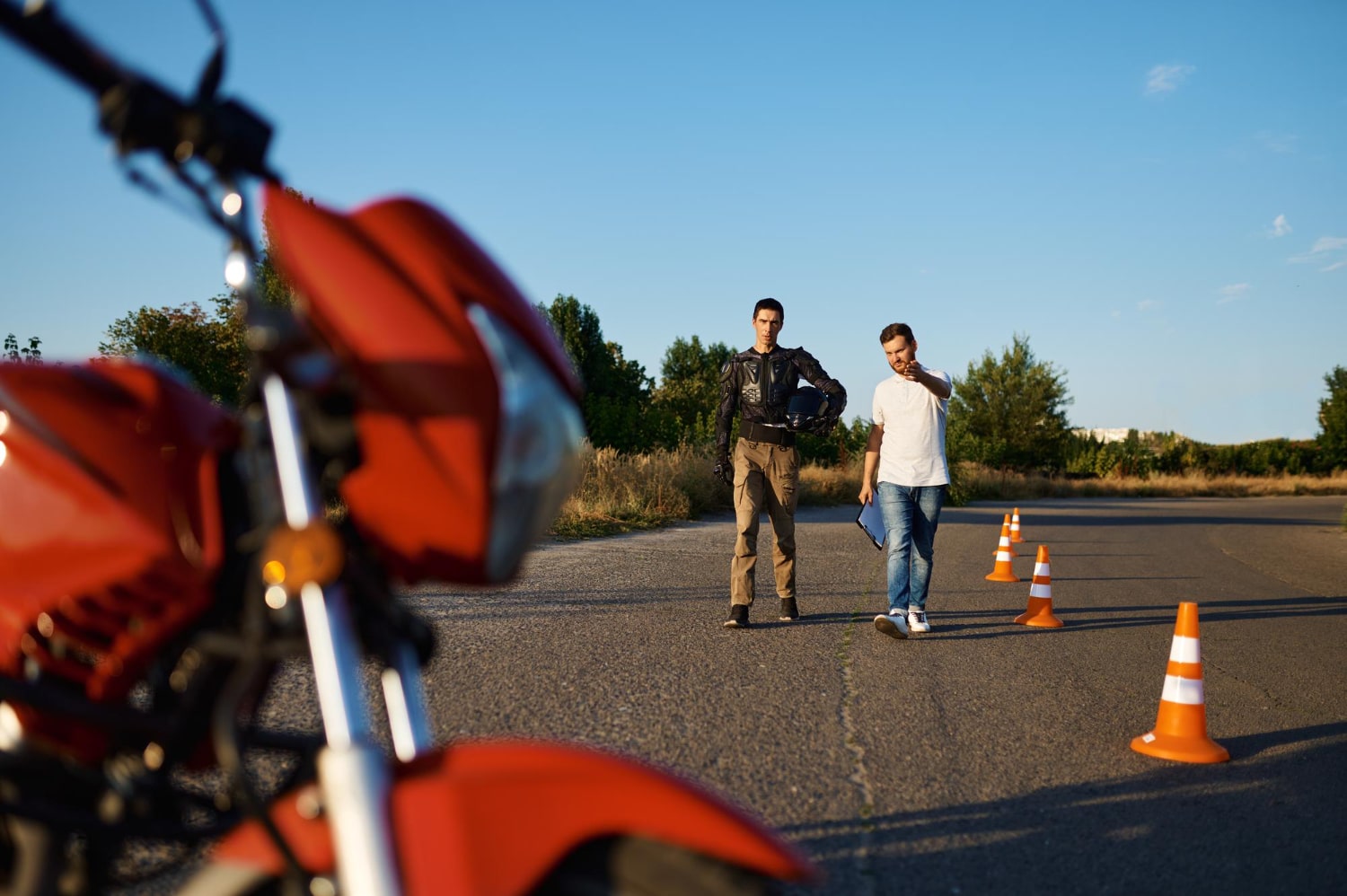
Build a Commute-Ready Riding Plan in Queensland
Riding to work in Queensland can turn a slow, stressful drive into something quicker and more enjoyable. With fuel costs rising and traffic building on roads into Brisbane, the Gold Coast, Sunshine Coast, and regional centres, more people are looking at motorcycles and scooters as daily transport, not just weekend toys.
To make that work, you need more than a pass-mark on a test. You need the right Queensland motorcycle licence pathway, training that matches your real commute, and a plan for traffic, parking, weather and gear. We will walk through peak-hour route choices, lane filtering rules, parking and storage, wet-weather prep, and how to pick course times and locations that feel like your actual work ride.
Match Your Licence Pathway to Your Commute
Queensland has clear stages for your motorcycle licence, and each stage shapes how you can commute.
At a simple level, you will go through:
- Pre-learner course
- RE learner licence on a LAMS-approved bike
- RE provisional or open
- R open if you later move to bigger, unrestricted bikes
For commuting, the RE learner and RE levels are where most riders spend their time. LAMS-approved bikes have limited power-to-weight and engine size, which actually suits daily rides. They are lighter, easier to handle at low speed, and usually cheaper to run.
Think about your route when choosing your bike within your licence class:
- Short inner-city hops: small-capacity LAMS bikes are usually enough, with a focus on balance and slow-speed control
- Suburban mix of arterials and short motorway stints: choose something with enough power to sit comfortably at motorway speeds without feeling strained
- Regional commuting on higher-speed highways: even on LAMS, look for a bike with stable handling and good wind protection
Different commutes need different skills. If you are heading into the CBD, you will want:
- Very strong clutch and throttle control for crawling traffic
- Confident low-speed turns and U-turns
- Good awareness of buses, cyclists and pedestrians
For longer routes that include highways, you will focus more on:
- Smooth lane changes
- Reading traffic flow at higher speeds
- Managing wind and buffeting from trucks
When you plan your Queensland motorcycle licence courses, you can choose to lean into the skills that match your likely commute, such as picking training that spends extra time on slow-speed handling if you expect dense city riding from day one.
Train for Peak Traffic, Not Empty Car Parks
Many riders learn in quiet spaces, then get a shock when they first hit peak-hour traffic. If you know you will ride to work, it makes sense to train in conditions that feel close to the real thing.
Peak traffic in South East Queensland often means:
- Darker or low-light starts in winter
- Glare and fatigue in the late afternoon
- Heavier traffic around school zones and CBD fringes
- More wet days as seasons shift
Highways and arterials each bring their own challenges.
Highways and motorways:
- Higher but steadier speeds
- Strong wind and pressure waves as large vehicles pass
- Fast on-ramps and off-ramps where drivers can change lanes suddenly
- Clear lane markings but less space to pull over if something goes wrong
Arterials and suburban routes:
- Constant stop-and-go with traffic lights and roundabouts
- Buses pulling in and out, plus bicycles in narrow lanes
- Driveways and side streets where cars might pull out suddenly
- Pedestrians near shops and schools
To prepare for this, it helps to choose training:
- In the morning if you will commute early, so you get used to cooler temps and lower light
- In the afternoon if your main concern is busy evening rides home
- On weekdays if you want a realistic feel for workday traffic patterns
It can also help to train near the kind of roads you will actually ride. Locations close to major corridors like the M1, Bruce Highway, Ipswich Motorway or busy arterials give you a better sense of how your commute will feel, even if some of the formal training is in controlled areas.
Lane Filtering, Parking and Everyday Logistics
Knowing the road rules for lane filtering in Queensland makes a big difference to your daily stress level. In simple terms, lane filtering is riding at low speed between stationary or very slow vehicles. It is only legal:
- When you hold at least a provisional motorcycle licence, not when you are on L plates
- At speeds under the allowed limit for filtering
- When it is safe and you are not in bike lanes or other restricted spaces
You must not lane filter:
- In school zones during active times
- Between vehicles and the kerb where there is no marked lane
- In bicycle-only lanes
- Between large heavy vehicles where there is limited space
For commuters, this often plays out at:
- Long queues at CBD intersections, where safe filtering to the front can reduce your time sitting in traffic
- Congested motorway exits, where you must be careful not to filter into a closing gap or weave in front of turning vehicles
Common mistakes that lead to fines or near misses include:
- Filtering too fast compared to surrounding traffic
- Squeezing between vehicles with mirrors close together
- Filtering next to trucks where the driver cannot see you
Parking and storage are the other half of the daily puzzle. Around Queensland workplaces you will often find:
- Shared building car parks where motorcycles get allocated corners or special bays
- Council on-street or off-street motorcycle spaces that fill early near major offices
- Mixed-use developments where visitors and workers compete for the same spots
Think through:
- How you will secure the bike, such as using quality locks or covered, well-lit areas
- Where you will store your helmet, jacket and gloves during the day
- How you will protect your seat and instruments from sun and sudden showers, for example with a small cover
Good low-speed handling and tight turns make it much easier to get into narrow CBD parking and to move around cars and obstacles calmly, which is why slow manoeuvres are an important part of quality training.
Gear up for Rain, Heat and Dark Commutes
Queensland commuting can start in cool, damp air and end in hot, sticky conditions. Even in winter, early mornings can be chilly, and you might still get sudden storms as seasons change. Planning your riding kit around this makes weekdays much less stressful.
Key commuter gear includes:
- A waterproof or water-resistant jacket with a quick zip-in liner
- Over-pants or waterproof pants that fit over work clothes
- Gloves suited to both wet grip and cooler temps
- A clear visor or anti-fog insert for dark or misty starts
Because mornings and afternoons can feel very different, layering works well:
- A base layer that wicks sweat
- A mid-layer you can take off and stash for the ride home
- Ventilation zips you can open when it warms up
High-visibility and reflective touches on your jacket, helmet or backpack help on dark back streets, during rain, and when the sun is low in drivers’ eyes.
You also need a way to carry work gear safely:
- Top boxes for laptops, lunch and a change of shoes
- Soft panniers or a tail bag for bulkier items
- A small tank bag for wallet, keys and a compact rain kit
Keeping a basic rain kit on the bike at all times, even in the dry season, gives you peace of mind. That might be as simple as over-gloves and over-pants rolled into a small bag.
Practising braking, cornering and decision making in less-than-perfect conditions with experienced instructors builds the kind of calm you need when a storm hits right at clock-off time.
FAQ
1. Minimum Licence Needed to Commute on a Motorcycle in Queensland?
You first complete an approved pre-learner course, then you can obtain an RE learner licence. This lets you ride a LAMS-approved motorcycle within the learner conditions, such as displaying L plates and not carrying a passenger. Many daily riders are happy to stay on RE class bikes long term because they work well for city and suburban commuting.
2. How Long Does it Usually Take to Go From Learner to Full Motorcycle Licence?
You can expect to spend a set minimum time on your RE learner licence before moving to RE provisional or open, then later to an R open licence if you want unrestricted bikes. In practice, it usually takes many months of regular riding plus at least one further course and assessment. Planning this around your commute helps you grow confidence in real traffic as you step up.
3. Is Lane Filtering Safe for New Commuters in Queensland?
Lane filtering can reduce your time sitting in queues and may lower the risk of being rear-ended in heavy traffic, but it demands very good low-speed control and strong observation. New riders should not feel any pressure to filter right away. It is better to focus on smooth clutch work, balance and braking in a controlled setting first, then start filtering only when you feel completely in control and fully understand the rules.
4. Do I Really Need Full Wet-Weather Gear If My Commute Is Short?
Yes, it is still a smart idea. Even a brief ride can become uncomfortable and risky if a sudden downpour hits. Good wet-weather gear keeps you warm and dry, which means you can concentrate on traffic and road conditions instead of shivering or squinting through a fogged visor. At the very least, keep a waterproof jacket, over-trousers and gloves stored on the bike.
5. How Do I Choose the Right Motorcycle for Daily Commuting?
Think about practicality first. You want a bike with a relaxed seating position, easy low-speed manners, decent wind protection and enough power for your route speeds. Storage options for your work bag and gear are also important. LAMS-approved motorcycles often balance all of these needs nicely for Queensland commuters, from CBD riders to regional workers.
Take The Next Step Toward Your Queensland Riding Goals
If you are ready to work toward your Queensland motorcycle licence, we are here to support you with practical, confidence-building training. At Stay Upright, our experienced instructors focus on real-world skills so you feel prepared every time you ride. To talk through course options or ask any questions, simply contact us and we will help you get started.

