



Break Through Your Riding Plateau While Working Towards Your Motorbike License in QLD
If you are working towards your motorbike license in QLD, it can be frustrating when progress suddenly stalls. Tight turns still feel awkward, emergency braking is inconsistent and the same small mistakes keep showing up.
Whether you are preparing for a Q-Ride course, practising for your motorcycle licence in Queensland or simply looking to become a safer rider, hitting a plateau is completely normal.
The good news is that targeted practice, structured drills and professional coaching can help you regain confidence and keep improving.
Winter in Queensland, with its cooler mornings and quieter roads, can actually be one of the best times to work on your riding skills before spring and summer traffic picks up.
Spotting the Signs Your Riding Has Stalled
A bad day on the bike is not a plateau. Everyone has off rides where they feel clumsy or distracted. A true plateau is a pattern that keeps showing up over several weeks.
Common signs include:
- The same wobble every time you attempt a tight U-turn.
- Inconsistent stopping distances when practising emergency braking.
- Regular stalls, wide lines or foot-downs during slow-speed exercises.
- Ongoing anxiety around roundabouts, wet roads or painted lines.
A simple riding log can help identify whether you are genuinely plateauing.
Why Riders Plateau Before Their Q-Ride Course
Many riders preparing for their motorbike license in QLD reach a point where simply riding more no longer improves their skills.
The most common areas where riders become stuck are:
- Low-speed control and U-turns.
- Emergency braking exercises.
- Looking through corners correctly.
- Building confidence in traffic.
- Maintaining smooth clutch and throttle control.
These are all skills that form part of Queensland’s Q-Ride training pathway and are often easier to improve through focused practice rather than simply spending more hours on the bike.
Core Skills Drills to Target Common Weak Points
Low-Speed Control and Balance
- Large figure-eights using smooth clutch control and light rear brake pressure.
- Friction zone exercises at walking pace.
- Head-up vision drills.
Braking and Stopping
- Progressive braking from 40 to 60 km/h.
- Understanding the balance between front and rear brakes.
- Adding mirror checks before each planned hard stop.
Cornering Consistency
- Identifying your entry point.
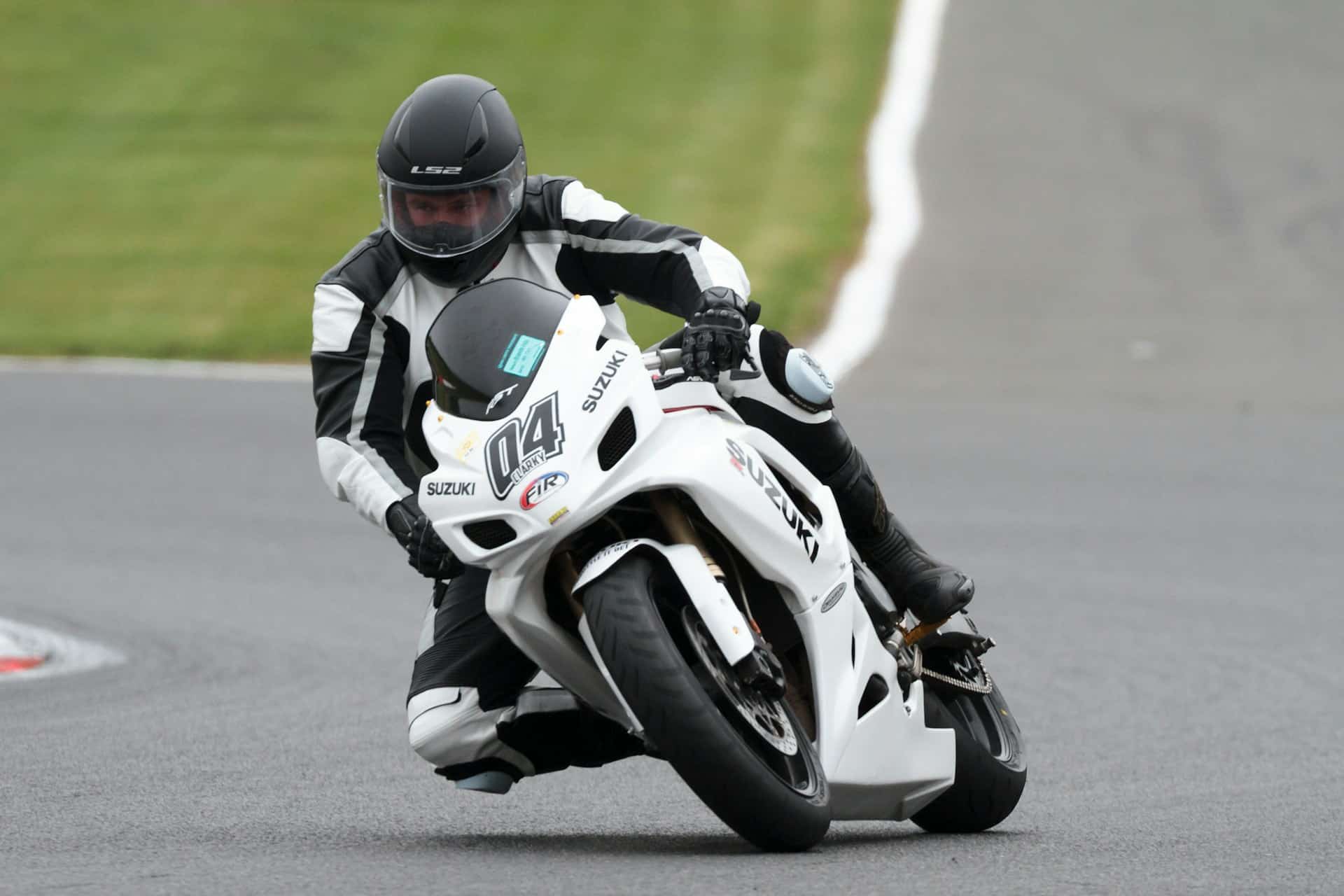
- Looking through the corner.
- Rolling on the throttle smoothly from the apex.
Awareness and Hazard Perception
- Practising mirror and shoulder checks.
- Identifying escape routes around traffic.
- Using commentary riding.
Measuring Your Progress with Simple Metrics
Track:
- Clean U-turns out of ten attempts.
- Number of stalls.
- Stopping distances.
- Confidence levels before and after rides.
- Situations that consistently create stress.
Review your notes every few weeks to identify trends and adjust your practice accordingly.
When to Change Your Routine or Get Expert Help
Signs your current routine is not working include:
- Three to four weeks without meaningful progress.
- Repeated close calls.
- Increasing anxiety during normal rides.
Professional coaching can be particularly helpful if:
- You continue struggling with the same skills required for your motorbike license in QLD.
- You have experienced a recent near-miss or crash.
- Other riders keep identifying issues that you cannot solve yourself.
Frequently Asked Questions
Why Have I Stopped Improving Even Though I Ride Often?
Riding frequently builds familiarity, but it does not always build skill. If you are repeating the same routes and habits, you are reinforcing what you already know rather than challenging your weak points. A plateau usually means your current practice routine has stopped pushing you. Switching to structured drills — focused specifically on the areas where you keep making mistakes — is usually what breaks the cycle.
How Long Does It Usually Take to Get Past a Plateau?
Most riders see meaningful improvement within two to four weeks of targeted practice. The key is consistency and specificity — short, focused sessions three or four times a week tend to work better than one long ride. If you have been stuck for more than a month without progress, it is worth reassessing your approach or seeking guidance from a qualified instructor.
What Skills Are Needed for a Motorbike License in QLD?
Queensland’s Q-Ride pathway covers a range of practical skills including low-speed control, emergency braking, hazard perception, cornering technique, and safe road positioning. You will need to demonstrate smooth clutch and throttle control, the ability to complete slow-speed manoeuvres without foot-downs, and consistent stopping distances. Riders are also assessed on observation habits, including mirror and shoulder checks.
Should I Take Motorcycle Lessons Before My Q-Ride Assessment?
Yes, for most riders this makes a significant difference. Professional lessons help you identify and fix technique issues before they become habits, and give you structured feedback that self-practice cannot provide. Riders who come into their Q-Ride course with a solid foundation in the core skills tend to feel more confident and perform more consistently on the day.
What If I Am Too Nervous to Practise in Traffic?
Start in low-pressure environments first. Quiet car parks are ideal for building low-speed control and braking confidence without the stress of other vehicles. Once those fundamentals feel solid, move to quiet residential streets at off-peak times before gradually introducing more complex traffic situations. Building confidence in stages is far more effective than pushing yourself into situations you are not ready for.
How Do I Know If My Bike Setup Is Contributing to My Plateau?
If controls feel hard to reach, your hands or back fatigue quickly, or braking and steering feel vague or unpredictable, your setup may be working against you. Lever positions, tyre pressures, seat height and bar position can all affect how a bike handles and how comfortable you feel on it. If you suspect your bike is part of the problem, ask a qualified mechanic or riding instructor to check your setup before your next practice session.
Start Your Queensland Riding Journey With Confidence
If you are preparing for your motorbike license in QLD or looking to improve your riding confidence, our experienced instructors can help.
From beginner rider training to advanced skill development, our Q-Ride courses across Queensland are designed to build practical skills, road awareness and confidence on the bike.
Whether you are learning to ride in Brisbane, working towards your motorcycle licence in Queensland or returning to riding after a break, the right training and practice can help you move beyond a plateau and enjoy riding again.
Book your Queensland motorcycle course today and take the next step towards becoming a safer and more capable rider.

