


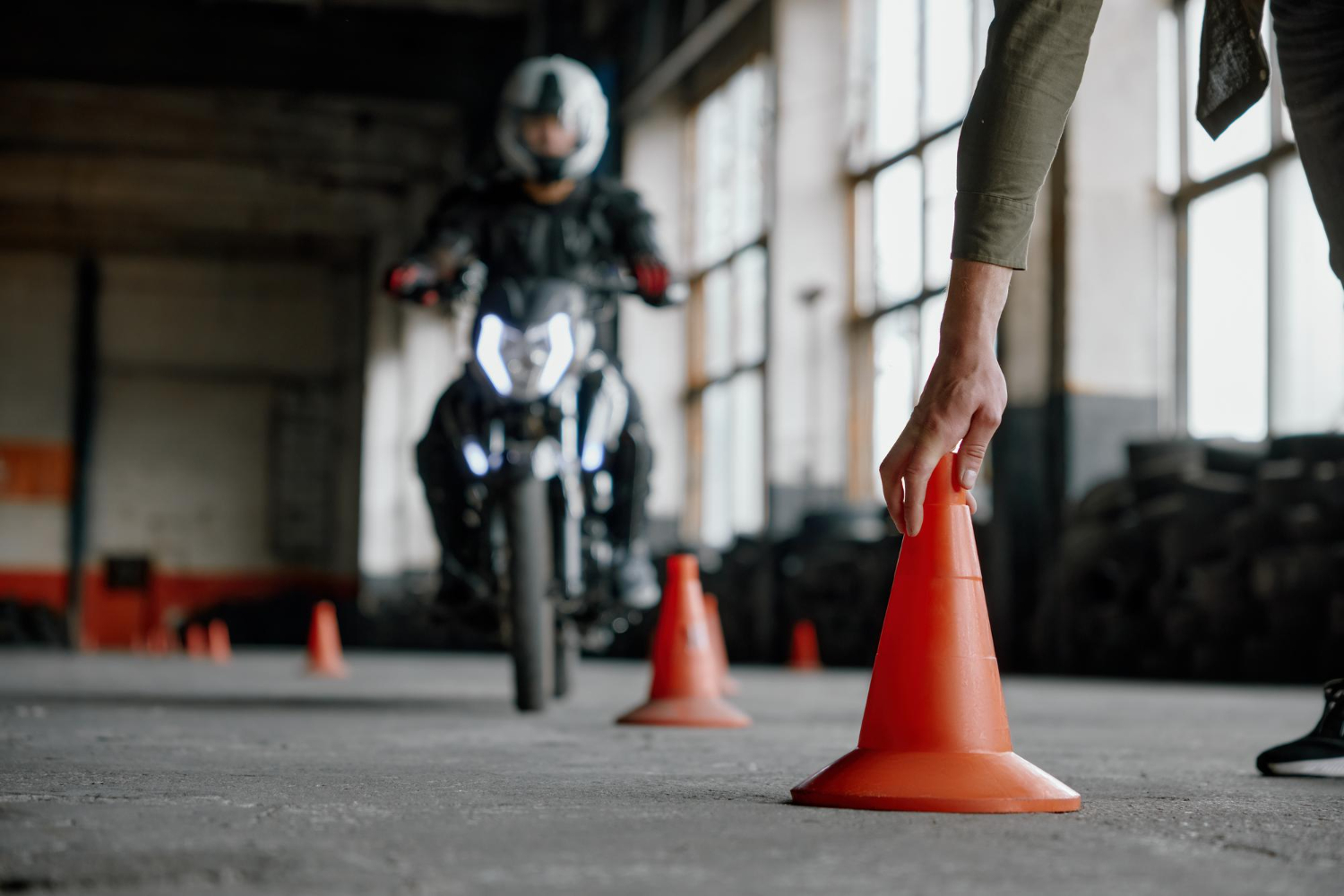
Managing your time on motorcycle test day can make a huge difference in how smoothly things go. There’s a lot to take in, and when your nerves start to kick in, the last thing you want is to feel rushed or disorganised. Even small slip-ups caused by running late or forgetting something important can throw off your confidence. That’s why having a clear plan in place before you even step foot at the test centre helps you stay focused when it counts.
Most people worry about the technical parts of the test but underestimate the mess time pressure can create. Overthinking corners or missing a shoulder check are often tied to being flustered or rushing from the start. Knowing how to pace your day, from your morning routine to how you handle the gaps during the actual assessment, sets you up for a calmer, more confident ride. A little time management goes a long way when you’re being judged on your ability to stay composed and alert.
Preparation Before Test Day
The best way to make your test day feel less stressful is to begin well before the morning of. Anything you can do ahead of time, do it. That includes getting your gear ready, knowing where your licence paperwork is, and making sure your bike (if you’re bringing your own) is roadworthy and meets test conditions. Sorting these things out the night before means you won’t be scrambling when time’s tight.
Here’s what to have ready the day before your test:
– Helmet, gloves, jacket, and other protective gear that meets local standards
– Any paperwork or licences you’re required to bring
– A full tank of fuel (if applicable)
– Weather-appropriate gear if rain or heat is predicted for the day
– Your preferred transport plan if you’re not riding yourself to the test
– A reliable alarm set with enough time for a relaxed morning
Sleep plays a big role too. A fresh, well-rested mind is quicker to react and less likely to make avoidable mistakes. That doesn’t mean you need to be in bed the second it gets dark, but it does mean limiting whatever might keep you restless, whether it’s too much screen time or thinking through every possible test scenario.
Nutrition matters just as much. A light but filling breakfast helps avoid an energy dip mid-test. Skipping food can lead to tiredness or short attention spans, especially under pressure. Think about the way you’d prep for anything important, like a job interview or a training day. The more relaxed and ready you are when you arrive, the more likely your skills will show through the nerves.
Arriving Early and Reviewing Your Route
Showing up early isn’t just polite, it gives you the chance to settle, catch your breath, and get familiar with your surroundings. When you’re out of time and just barely make it, your nerves shoot through the roof. Instead, give yourself at least 20 to 30 minutes before your scheduled time. That window lets you deal with traffic if it comes up, or unexpected changes like construction or detours.
If you’ve got no idea where the test centre is or how to get there, that adds another stress layer you really don’t need on the day. Try to visit the location at least once before the test, either by car or on your bike. This helps you know how long the trip takes and what the nearby traffic conditions might be like.
If your centre is familiar with certain routes for the motorcycle practice test, riding them a few times during preparation can help you feel more relaxed once you’re actually being assessed. Roads feel easier when they’re not completely new to you. Even recognising a few landmarks or junctions can lower your tension because you’ll know what’s coming next. One learner we spoke to got all the way to her test before realising she was at the wrong building and had to rush across town. That panic cost her the mental focus she needed. Simple planning would’ve changed everything.
Arriving early also buys you chances for last checks. You can make sure you’re not missing any paperwork or give your bike a quick once-over. Even five minutes of steady breathing or going through your test goals in your head can change your start from panicked to prepared. Every bit of space you give yourself can turn into calm focus, which is exactly the mindset you want when the pressure’s on.
Effective Time Management During the Test
When the test starts, nerves can catch up with you fast. It’s easy to slip into rush mode, especially if you’re worried about the timing of each section. But speeding through what’s being asked usually backfires. One of the best time strategies is to mentally remind yourself that you don’t need to rush. The examiners are checking for safety, awareness, and control, not how quickly you can get through each step.
Try to develop a steady rhythm. Listen carefully to instructions and take a second to process before responding. That pause can be the difference between a simple misstep and a clean manoeuvre. If there’s an instruction you didn’t quite hear, ask for it to be repeated. No points are taken off for wanting clarity. It shows you’re engaged and keen on doing it right.
Another helpful tactic is breaking up the ride into smaller chunks. Focus only on the section you’re doing. Don’t let a wobble in the slow ride distract you from your scanning checks in the traffic tasks. Treat each part like a reset. Sometimes a single mistake early on can throw off the rest of the test, not because of skill but because of headspace. Rebuild your focus after each task to avoid letting one error snowball into more.
You’ve trained for each element, so give yourself space to react like you do when you’re not on the spot. What matters is how safe and confident you appear, not how fast you get back to the examiner. Time is on your side if you don’t panic. Stay focused on what you’re doing in the moment, and let the rest take care of itself.
Dealing With Unexpected Delays
Things don’t always go to plan. Whether it’s traffic, roadworks, bad weather, or last-minute changes at the test centre, you’ll want to leave room in your schedule for delays. Keeping a time buffer is one of the smartest moves to make. Even 15 minutes’ gap between your arrival goal and the actual check-in time can give you that safety net.
Here’s how to deal with the unexpected without losing your cool:
– Map your route ahead of time and include an alternate way to the test site
– Set alarms earlier than needed so smaller hiccups don’t throw you off
– Dress in layers to adapt fast if the temperature changes as the day warms up or cools down
– Fuel your bike and your body before leaving, so you’re not dealing with a near-empty tank or hunger halfway through
– Most importantly, have a plan for nerves. Bring a bottle of water, take deep breaths, and remind yourself you’ve trained for this moment
Delays that are out of your hands shouldn’t rattle you. The goal is to keep your mindset steady even if the schedule shifts. If you’re stuck in traffic or running later than you hoped, call ahead if that’s allowed. Communicating brings peace of mind, and anything you do to stay calm will help you perform better once the test starts.
Remember, it doesn’t have to be a perfect morning to result in a solid performance. It just has to be handled well. Flexibility and focus go further than trying to stick to a second-by-second plan.
You’ve Got Time On Your Side
Time doesn’t have to be a stress factor on test day. Managed well, it actually gives you an edge. From setting out your gear the night before to showing up early enough to settle into the space, every bit of planning adds up. Each step you take to prepare your timing gives your mind more freedom to focus on safe riding and solid skills.
By staying present through each part of the process, from arrival to the final assessment, you help your confidence grow naturally. Even if things don’t line up perfectly, knowing how to adapt calmly can carry you across the finish line. The more thoughtful your timing, the less your nerves get a chance to take over.
So trust your preparation, keep to your plan, and take things one step at a time. That’s the best way to walk into your motorcycle practice test feeling clear-headed, well-paced, and ready to give it your all.
If you want a smoother, more confident experience on test day, our motorcycle practice test is designed to sharpen your skills and preparation. At Stay Upright, we’ll help you feel relaxed, ready, and in full control the moment you arrive at the test centre.