


Getting your motorbike licence in VIC is a big step, and there’s a lot to think about during the test. One thing that often gets overlooked is how school zones can trip up learners on test day. They aren’t just for car drivers. Motorcyclists need to follow the same rules, and missing a school zone sign or misjudging the speed limit can cost you the pass. It might feel like a simple rule, but mistakes here are more common than you’d think.
The challenge is that school zones aren’t always where you expect them to be, and on the test, you’re expected to spot and respond to them right away. It’s not just about slowing down, either. You’ve got to show that you’re aware of your surroundings and know how to respond to school-specific road markings, pedestrians, and changes in traffic flow. That’s why having a solid handle on how school zones work in Victoria is so important when preparing for your riding test.
Recognising School Zones In Victoria
School zones in VIC aren’t hard to identify if you know what to look for. The problem is, during a motorcycle test, your brain is juggling a lot. It’s easy to miss something that would normally stand out. To avoid slipping up, you need to get familiar with the signs, markings, and the usual areas where school zones are placed.
Here’s what helps you spot a school zone in Victoria:
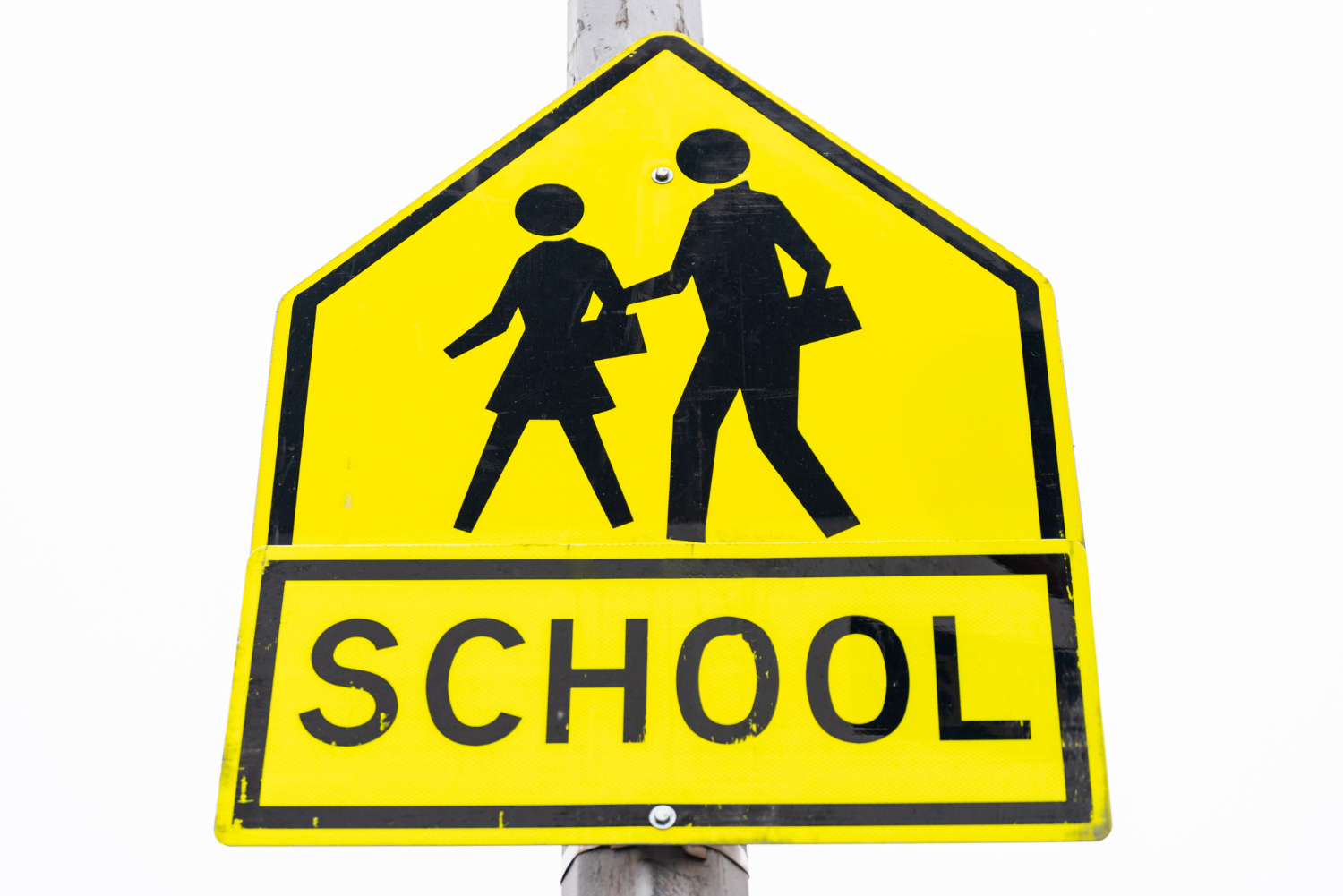
– Look for the yellow school zone signs. They’re usually posted near the start and end of the zone.
– The signs often include the reduced speed limit and specific times when it applies.
– Painted road markings like “SCHOOL” in bold white letters or zigzag lines before crossings are a strong hint you’re in a zone.
Most Victorian school zones enforce a 40 km/h speed limit. This usually kicks in on school days between 8 to 9.30 am and 2.30 to 4 pm. Some schools might have longer or permanent limits if there’s high foot traffic, so you’ve also got to read the signs properly.
An example of a common mistake is spotting the school zone sign but forgetting to slow down in time. Test assessors are watching closely for this. It shows whether you’re focused on your environment and can control your speed smoothly. It’s not just about slowing down but showing you’re aware and planning ahead. That kind of awareness is exactly what they want to see on the day.
Adhering To The Speed Limit
Speed control is one of the basics, but it gets put to the test in school zones more than any other part of the ride. It’s where a lot of learners lose marks without even realising it. Just riding a few km/h over can count against you, even if the rest of your ride is smooth.
Here’s how you can stay within the limit in these zones:
1. Monitor your speed regularly. Don’t wait for signs. Start looking early as you approach areas with schools or crossings.
2. Use your gear and engine braking if needed, instead of relying too much on the brakes at the last second.
3. Don’t sit right on 40 km/h. A bit below is safer. Just make sure it’s not so slow that you affect traffic behind you.
4. Be aware of changing speed zones. Some areas will switch from 60 to 40 and back quickly. Stay sharp.
One trick to help is to always assume a slower zone is coming up if you’re near houses or public buildings. Even if there aren’t any kids around, the rule still stands if it’s during the active times. That’s where a lot of riders get thrown off. They see an empty footpath and think it’s safe to keep going at the regular limit.
The key is anticipation. School zones on your test aren’t there by accident. They’re included to check how closely you’re watching the road, how well you adjust to changes, and how prepared you are to handle areas with higher risks. If you can show confidence here, it works in your favour across the whole assessment.
Safety Measures And Behaviours In School Zones
Riders are expected to show good judgement and awareness in school zones, especially during test conditions. These areas are sensitive spots with lots happening around them. Kids walking, bikes crossing, and heavy foot traffic can throw you off if you’re not paying close attention.
You need to actively look out for school crossing supervisors. Give them space, follow their signals, and be ready to stop if they step onto the road. Don’t wait until you’re right beside them to slow down. Start backing off the throttle early if you spot a flagged vest or stop sign ahead.
Your eyes should never just stare straight. Keep scanning both sides of the road. Parked cars near a school can hide children suddenly running out. Dogs tied to fences, parents unloading cars, and groups of students huddled near crossings are all signals to stay highly alert.
It’s also good practice to:
– Keep both hands ready, controls covered, and your posture forward-leaning for quicker reaction time.
– Use both brakes softly instead of jerky late braking.
– Avoid overtaking or weaving, even if vehicles in front slow down inappropriately.
– Turn off distractions like music or GPS guidance. Your focus should be razor-sharp.
Take your time through these zones. Smooth responses and defensive riding are valued more than robotic precision. Test assessors won’t expect you to be perfect, but they’ll definitely expect you to demonstrate good habits and rider maturity in unpredictable spaces like school zones.
Common Mistakes Riders Make And What To Do Instead
There are a few traps VIC learners fall into when it comes to school zones during their test. Knowing what they are and how to avoid them can make a huge difference.
Here are some of the most common mistakes:
1. Failing to reduce speed before the sign. Braking too late or not at all is one of the fastest ways to lose points or worse.
2. Misjudging time periods. Riders often assume school zones don’t apply unless kids are present. That’s not how the law works. Go by the posted time, not what you see.
3. Getting fixated on one side of the road. It’s easy to think you’ve scanned enough, but a lack of visual checks to both sides shows a lack of full awareness.
4. Overconfidence or underconfidence. Too much speed or too much hesitation can both work against you. Aim for measured riding with clear intent.
What works better is taking a calm, prepared approach. Use your pre-test practice rides to spot school zones in real time. Make it a habit to read each sign properly and adjust early. Even when outside test prep, train yourself to treat every school zone like it’s part of your test. That kind of muscle memory helps on the day because it feels natural rather than forced.
Aces Up Your Sleeve For Test Day Success
Nailing it in school zones during your VIC motorbike licence test isn’t about overthinking. It’s about showing you’ve got the awareness, timing, and respect for road rules that help keep everyone safe. When examiners see that you’re not just reacting but also thinking ahead, they gain confidence in your judgement. That’s what really counts underneath the checklist of skills.
So practice spotting signs and adjusting early. Stay confident but alert. Smooth, steady speed control and full use of your vision will help you ride through school zones the right way. Don’t treat these areas as a technical threat. See them as your chance to prove you’re fully tuned in and test-ready.
Whether you’re approaching a primary school on a weekday afternoon or a quieter area with permanent limits, the rules don’t change. But your response – the timing, the focus and the attentiveness – that’s what makes all the difference. Reliable riding through these spaces shows maturity on the bike, and that leaves a lasting impression where it matters most.
If you’re aiming to feel confident and in control while going for your motorbike licence in VIC, getting solid training can make a big difference. At Stay Upright, we offer courses designed to sharpen your road skills, build your awareness around school zones, and help you handle any test-day nerves. It’s a great way to ride smarter and safer from the very beginning.