


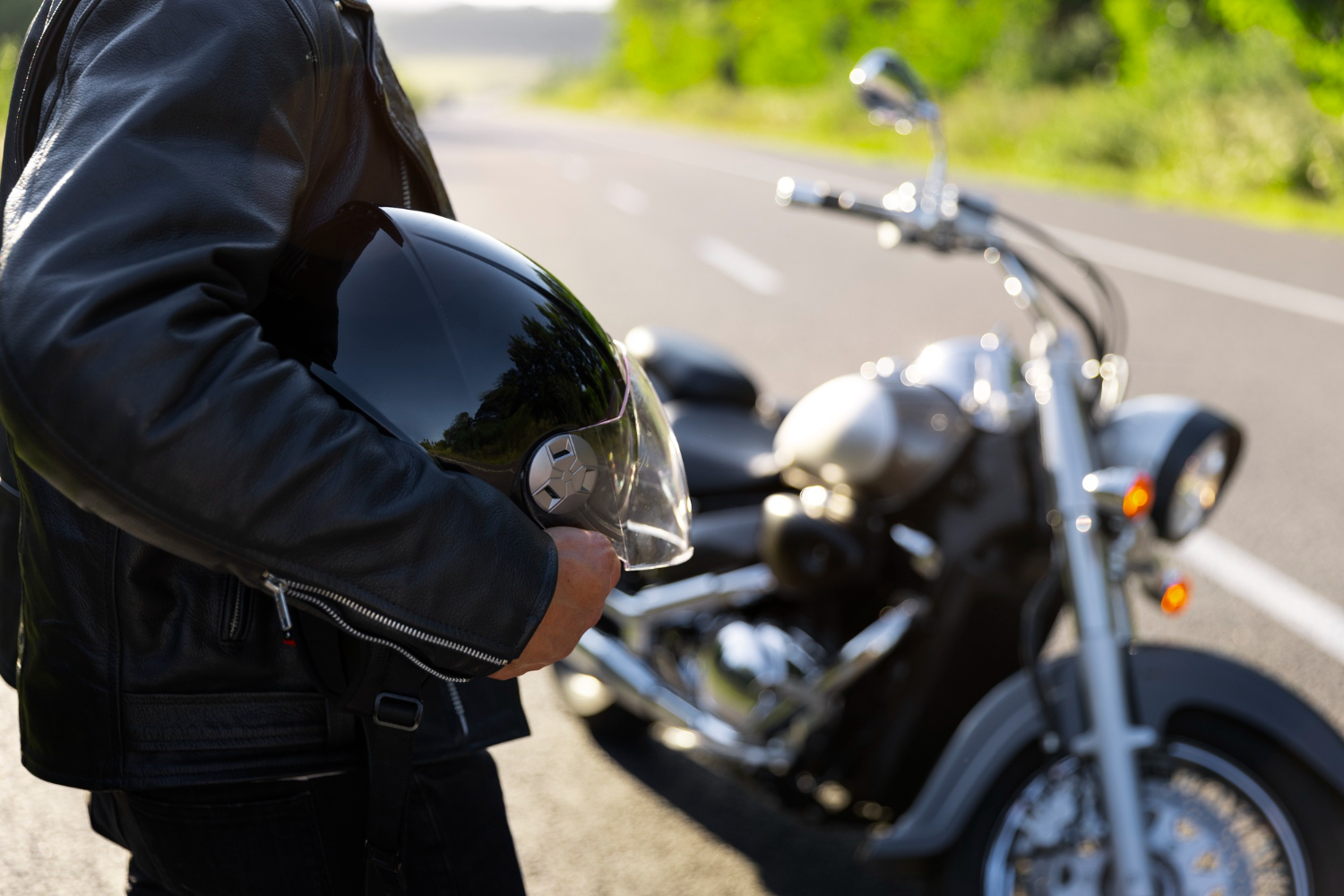
Getting a bike licence in Tasmania is a big step if you’re ready to stop dreaming about riding and actually start doing it. Planning to ride through Hobart streets or cruise coastal roads? You’ll need your licence sorted first. The good news is, there’s a clear process to follow that helps keep things organised and stress-free.
Since summer is heating up, it’s a great time to learn. The roads are dry, the days are longer, and riding in the sunshine makes those early rides more manageable. Here’s how the whole thing works, from the first steps to getting on the road.
Getting Ready Before You Apply
Before anything else, there are a few basic checks to get out of the way. You won’t get far without ticking these off first:
• You must be at least 16 years and 6 months old to apply for a bike learner permit
• You’ll need to already hold a learner licence for a car
• It’s smart to check your vision beforehand, if you need glasses or contacts, make sure they’re up to date
It might also be helpful to brush up on general road rules if it’s been a while since you’ve opened the road code. Some people choose to take a prep course or use practice tools to help feel more confident, but that’s entirely up to you. Take the time to double-check you have all your paperwork ready before you enrol. It’s always easier if you gather everything now, so things don’t get held up later.
Having a car learner licence already means you know some general road rules, but bikes use a few different skills. Balancing on two wheels and learning about blind spots or lane positioning can take a little extra time to get used to, especially if you’ve only driven cars before. If you are unsure, you can always ask someone who recently went through the process for advice.
Enrolling in a Pre-Learner Training Course
Tasmania does require a pre-learner course before you can get your actual learner permit for a motorbike. This isn’t just paperwork, it’s your first time on the bike as part of the official process.
• The course covers theory and hands-on learning, usually all done in half a day to a full day
• You’ll practise handling, balance, and basic bike controls in a safe setting
• You’re expected to wear proper gear: helmet, gloves, long sleeves, pants, and closed shoes with ankle protection
Even in summer, overheating isn’t worth the risk. Lightweight jackets and breathable gloves can keep you safe without making you sweat too much. Sticking to early morning or late afternoon booking times can help with that, too.
We provide pre-learner motorcycle courses in Tasmania that feature both in-class and practical sessions, designed for first-time riders. Our instructors are accredited and experienced in teaching the Motorcyclist Safe Riding Program.
The theory section looks at basic road rules, while the riding part lets you get a feel for all the controls. By the end, you should be comfortable with basic steering and braking, along with wearing your gear properly every time you get on the bike.
Make sure to check all clothing fits snugly and covers the correct areas. If there is rain or wind, layers can help without getting in your way. Gloves and jackets made for riding are usually designed to breathe a bit while still offering plenty of protection.
Taking the Motorcycle Knowledge Test
Once your course is complete, the next step is the written test. This test checks that you understand road rules for motorcycle riders as well as basic safety knowledge.
• You’ll have to book a time to sit the test at a Service Tasmania location
• The questions are multiple choice, based on the road rules handbook
• Many people use online practice quizzes to help prepare beforehand
This part may feel more like school than riding, but it’s an important one. Knowing safe following distances, correct signals, and lane positioning helps both you and other drivers stay safe on the road.
It’s normal to feel nervous before the test, but studying the handbook and taking a few practice runs online can help ease the nerves. Don’t rush your answers, and remember that each question is there to make sure every new rider is ready for real traffic conditions.
If you don’t pass the first time, you can try again after some more study. Many people find that reading through the questions after their first attempt makes everything clearer, and it’s very common to pass on a second go.
Getting Your Learner Licence and Riding Restrictions
Once you’ve passed your knowledge test, you’ll be issued your learner licence. You’re now legally allowed to ride, but there are still limits while you’re learning.
• You must always display L plates when you’re on the road
• You can’t carry passengers or tow anything
• Your licence will only allow you to ride LAMS-approved bikes (these are lower-powered models)
Our Tasmanian training program highlights the importance of choosing a bike that fits you well and complies with LAMS requirements, helping you feel confident as you gain experience.
This is when you’ll really start learning through real-world experience. Summer riding tends to be less slippery and more forgiving, which makes it a good time for those first few months on the road.
Most learners find that the first few rides feel awkward, but you’ll settle in with each short trip. Think about starting on less busy streets so you have time to practise your starts, stops, and turning. As you build basic skills, you can gradually try different routes and traffic levels. Building riding experience slowly will help keep you calm and let you test your own readiness.
LAMS-approved bikes are not just about meeting state rules. These bikes are easier to handle, typically lighter, and help you get comfortable at lower speeds. Pay attention to how you feel on your chosen bike and make small adjustments to your position until it suits you. Stop for breaks if you ever feel tired or overwhelmed.
Moving On to P-plates and Full Licence
After at least six months on your learner licence, you can move to the next stage. That means taking a second course and test, the pre-provisional course.
• This involves another round of training and a practical riding assessment
• If you pass, you’ll get your P1 licence, removing some of the earlier limits
• With safe riding and time, you can eventually move to a full unrestricted motorbike licence
Stay consistent with your riding practice and always keep safety top of mind. Try different road conditions when you feel ready, and take feedback seriously during training.
The pre-provisional training is focused on higher-level riding skills and learning how to manage tougher situations. Our instructors look for riders who can follow the rules and stay calm under pressure. If you’re not ready for certain skills, you can always ask for extra practice before your test. It’s also normal to take a few extra lessons if there are certain skills that don’t feel natural just yet.
Your P1 licence lets you build independence, but you still have restrictions left over from the learner stage, like displaying P plates and following speed limits. Over time, as you get more comfortable and clock enough hours on the road, you’ll be able to apply for your full licence. This is when you can ride bigger bikes, carry passengers, and enjoy Tasmania’s roads without the early limitations.
Most people take anywhere from a year to a few years to reach their full licence, depending on how confident they feel. There’s no rush, and riding safely should always be your main focus.
Ready to Ride This Summer?
Getting your motorcycle licence in Tasmania is a step-by-step process, with each stage giving you the skills and knowledge to ride more safely. By training with our industry professionals and following a structured approach, you’ll be well-equipped to enjoy everything Tassie has to offer.
With summer bringing excellent road conditions and extra daylight, it’s the ideal season to begin your riding process. Take advantage of accredited training, build your confidence, and make the most of your time on the road.
At Stay Upright, we’re here to support you every step of the way as you work towards your bike licence in Tasmania. Our training helps you master the basics, build confidence on real rides, and move through the licensing process safely and clearly. With summer bringing ideal riding conditions, now is a great time to get started. Discover what’s involved in a bike licence in Tasmania by exploring our training options, or give us a call if you’re ready to begin.