



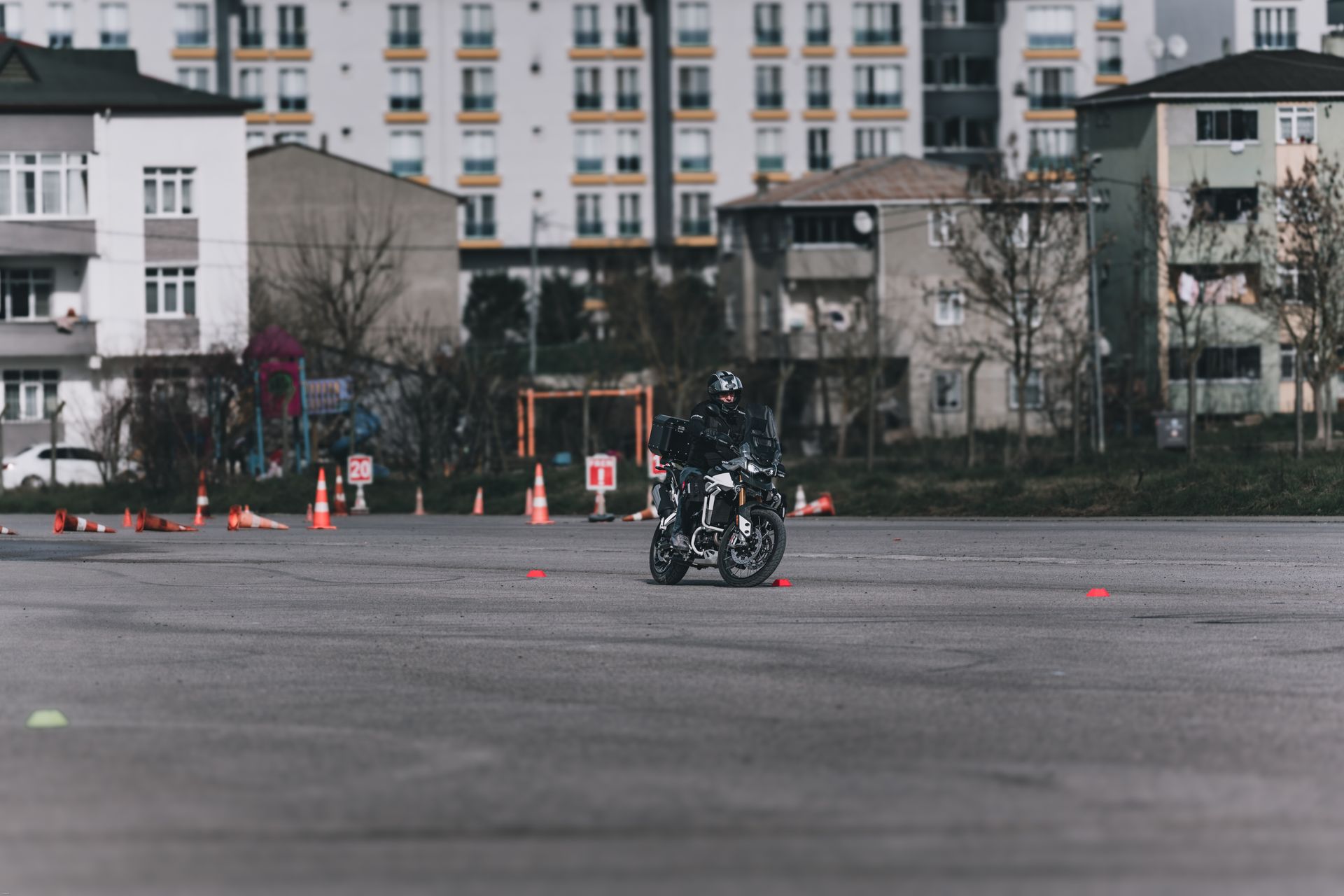
Ride Test Routes Legally While Building Real-World Skills
Riders across Victoria often hear the same tip before a test: just ride the test route over and over. It sounds clever, but if you do it the wrong way, you can break licence rules and damage your confidence. Focusing only on memorising a path can also distract you from what actually matters, which is safe, smooth riding in real traffic.
At Stay Upright, we want learners to pass their Victorian motorcycle licence test, but we care even more about keeping them upright long after test day. In this article we talk about what test routes are, the rules that sit around them, and how to practise in a legal, smart way. The goal is simple: build real skills on real roads, without putting your licence at risk.
Know the Rules Around Victorian Motorcycle Licence Testing
Before you think about riding near a test centre, you need a clear idea of your licence stage and what you can legally do on the road. In Victoria, riders move through a series of steps, starting on a learner permit, then a probationary licence, then eventually a full licence. Each step comes with certain limits that are there to keep you, and everyone around you, safe.
On a learner or probationary Victorian motorcycle licence, you will usually have conditions such as:
- Displaying L plates or P plates clearly
- Sticking to posted speed limits and any special speed caps for your licence stage
- Not carrying a pillion passenger
- Keeping your blood alcohol content at zero
- Only riding approved learner or restricted bikes, depending on your stage
When you practise near testing locations, these rules do not pause just because you are nervous about the test. Things that often cause trouble include:
- Forgetting plates when changing jackets or bikes
- Creeping a few kilometres over the limit to keep up with traffic
- Sitting on the wrong side of the stop line to copy what other riders do
- Listening to friends who say, “It’s fine, everyone does it this way”
Test centres can also run their on-road assessments slightly differently. The local streets, speed zones and traffic patterns will not be the same everywhere. If you rely only on what friends swear is true about a certain route, you can end up in the wrong place, at the wrong speed, with the wrong expectations. The safest path is to stay close to official rules and structured training, instead of backyard advice.
Smart Ways to Practise Common Test Conditions
A Victorian test route is not magic. It is simply a loop of public streets that lets an officer see how you handle common road situations. You are likely to face things like:
- Low-speed control, such as tight turns or moving off cleanly
- Roundabouts, single lane and multi-lane
- School zones and changes in speed limits
- Busy shopping strips with parked cars and pedestrians
- Multi-lane roads with lane changes
- Slightly higher-speed sections that test your stability and vision
You do not need to ride that exact loop to get ready. In fact, repeating the same block ten times can make you focus on memory, not on reading the road. A better plan is to design your own practice loop closer to home that includes:
- Different speed zones, including quick changes from higher to lower limits
- Left and right turns at traffic lights and stop signs
- Several roundabouts in a row
- A short higher-speed stretch where you can safely build up to the legal limit
Spring in Victoria often brings extra pollen, gusty wind and changing light. These can affect your practice ride in real ways. Wind can send leaves or light rubbish across your path and push the bike off line if you are tense. Pollen and dust may make your eyes water, which is not fun mid-corner. Lower sun can cause strong glare at certain times of day. Plan some practice at different times and be ready to adjust your speed and following distance when your vision is not perfect or the surface looks patchy.
Staying Onside with Supervision, Road Rules and Professional Support
If you are on a learner permit, supervision rules matter just as much as road rules. Proper supervision usually means having an appropriately licensed rider taking responsibility for you. In real terms that can look like:
- Your supervising rider holding the right class of licence for long enough
- Keeping you in sight and close enough to see your decisions
- Agreeing on simple communication, such as pre-planned turns or pull-over spots
Trouble often starts when a learner tries to “keep up” during test route practice. Common mistakes include:
- Speeding to stay glued to a more experienced friend
- Repeating U-turns in tight, busy streets that are not safe for that kind of practice
- Copying unsafe lane changes or rolling through stop signs
- Focusing on a certain corner they were told is “tricky”, instead of scanning for hazards
A better approach is to log structured practice time that matches the spirit of Victorian motorcycle licence rules. Try to spread your rides across:
- Different times of day, including some peak traffic
- A mix of quiet back streets and busier roads
- Varying weather, as long as it is safe to ride
- Sessions with a clear focus, such as smooth braking or clean head checks
Professional training adds a layer you cannot get from mates. At Stay Upright, we design licence courses, advanced programs and mock-test style sessions that reflect real Victorian test demands without breaking rules. Our trainers focus on:
- Low-speed balance and clutch control, which many riders struggle with
- Emergency braking and smooth stopping in a straight line
- Lane position that keeps you seen and gives you space
- Strong observation habits, like regular mirror use and clear head checks
Compared with do-it-yourself practice, structured training gives you targeted feedback on what testing officers actually look for. That does more for your safety than just knowing which street has a hidden stop sign. Good habits in these areas not only help you pass on the day, they help you stay upright in years of Victorian traffic afterwards.
Plan Your Path to a Safer Victorian Motorcycle Licence
It helps to see your test as one marker on a longer riding path, not the final finish line. The real goal is to ride with calm, clear decisions whether you are in quiet suburbs, city traffic or out on a country road. Passing the test shows that your basic skills meet the standard, but your learning should not stop there.
A simple way to stay on track is to:
- Check current Victorian rules for your licence stage so you know your limits
- Plan a legal practice loop that covers a mix of roads and conditions
- Add in professional training with a provider like Stay Upright before you book or sit the test
- Keep returning for refresher or advanced programs as your confidence grows or you move to more powerful bikes
When you treat your Victorian motorcycle licence as a promise to keep learning, you ride with more control and less stress. You are not just aiming to pass one test route, you are building skills that carry you across every route you might ride in this state.
Frequently Asked Questions About Test Route Practice in VIC
Q1: Can I legally ride the exact motorcycle test route before my test?
Yes, the roads used for tests are public, so you are allowed to ride on them if you follow all normal rules for your licence stage. The problem comes when riders focus only on memorising every turn, or loop the same busy streets so often that they start making unsafe choices. A better idea is to practise the same types of intersections and speed zones in a wider local area, or work through supervised or mock sessions with a trainer who understands the test.
Q2: Will the examiner fail me if I do not know the local streets?
No, examiners are not testing local street knowledge. They are watching how you control the bike, read traffic, follow signs and respond to directions. You will be told where to go in plenty of time. If your basic skills are solid and you listen carefully, it does not matter if you have never ridden that exact corner before.
Q3: How many hours should I practise before my Victorian motorcycle licence test?
The right amount of practice varies a lot. Riders who already drive a car often need less time learning basic road rules, while new road users might need many more hours to feel calm in traffic. Aim for steady practice across different days and conditions rather than cramming everything into one big weekend. Short, focused rides tend to build better habits than long, tired ones.
Q4: Is it better to practise with friends or with an instructor?
Friends can give support, share the fun and help you get comfortable with time in the saddle. The risk is that they might pass on bad habits or be unsure about current rules. Accredited instructors bring clear structure, up-to-date knowledge of Victorian testing, and feedback that targets your weak spots. The best mix for many riders is some relaxed time with friends plus regular sessions with a professional trainer.
Q5: What should I focus on in the last week before my test?
Keep things simple. In the final days, aim for: smooth clutch and throttle use, tidy gear changes, steady lane position, clear and consistent head checks, and strict speed control. Short, well-planned practice rides or a pre-test session with a training provider often help more than long, random rides that leave you tired or rattled. Focus on riding safely and legally, and let the test result reflect those habits.
Take The Next Step Toward Your Victorian Licence Confidence
If you are ready to build real-world skills and ride with confidence, we are here to guide you every step of the way. Book your Victorian motorcycle licence course with Stay Upright and train with experienced instructors who understand local roads and conditions. If you have any questions about which course is right for you or upcoming dates, simply contact us and we will help you get started.

