



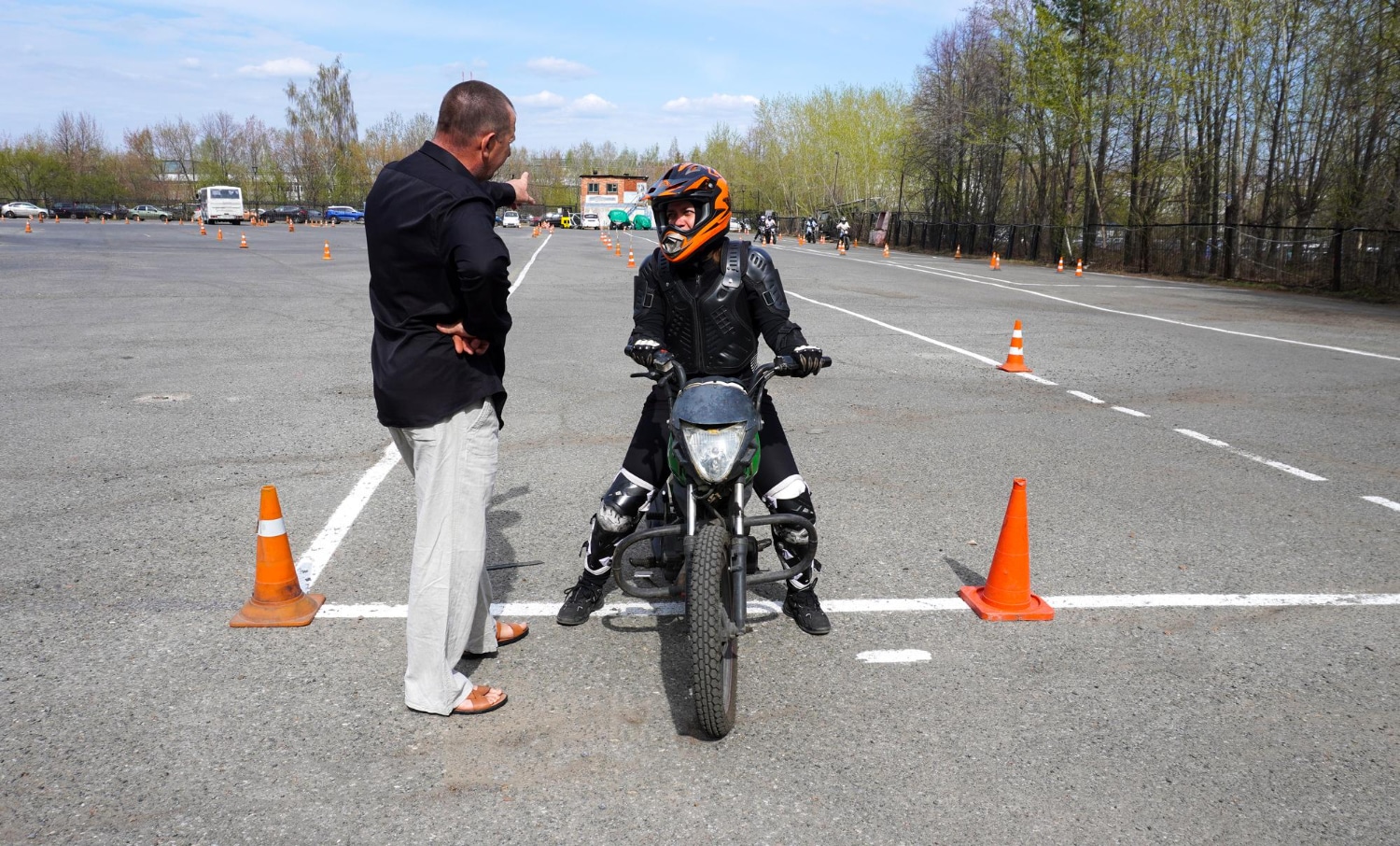
Turn a Failed Test Into Your Riding Advantage
Failing your first motorcycle practice test or learner test hurts. You feel annoyed, a bit embarrassed, and maybe you start to wonder if riding is really for you. That reaction is normal, and it happens to a lot of new riders across Australia.
A fail is not a label that says “bad rider.” It is feedback. It shows where your knowledge or test skills are not ready yet, so you can work on them before you are on real roads with real traffic. Used in the right way, a motorcycle practice test after a fail can actually speed up your progress and make you safer for years to come.
At Stay Upright, we see this all the time in our training across different states and territories. With the right support, riders turn that first knock-back into extra focus, better habits, and more confidence, from busy city streets to quiet regional and rural roads.
What Failing Your Test Really Tells You
A failed learner or knowledge test does not measure how “good” you are as a rider. It usually points to one of three things:
- Gaps in road rule knowledge
- Weak hazard perception or road awareness concepts
- Stress, nerves or poor test-taking skills
None of these are permanent. They are all skills that can be built with structure and time.
Common reasons people fail include:
- Rushing in without reading their state or territory handbook properly
- Relying on “what mates said” instead of current local rules
- Getting flustered by the test format or time pressure
- Underestimating details like school zones, lane filtering or giving way rules
These are fixable. They just need clear information, repetition and sometimes a trainer to explain things in a simple, real-world way.
It is also worth thinking about when you are preparing. Around early spring in Australia, roads can be a bit unpredictable. You might see:
- Wet or greasy patches after light rain on dry roads
- More bikes returning after winter breaks
- Changing light in the mornings and afternoons that affects visibility
Good theory knowledge helps you read these conditions and make better choices. Understanding why a rule exists, not just what it says, means you are less likely to panic when things change on the road.
Why a Motorcycle Practice Test Matters More After Failing
Once you have failed once, a motorcycle practice test becomes a lot sharper. You are not just guessing where your weak points are, you have a clear idea of what actually tripped you up.
That makes your study time more focused. Instead of reading the whole handbook again from front to back, you can use practice tests to zero in on the problem areas, like:
- Giving way at complex intersections
- Safe following distances and stopping spaces
- Lane positioning in traffic and on curves
Practice tests also take some of the fear out of the real exam. When you sit several tests that copy the style and timing of your licensing authority, you:
- Get used to the way questions are worded
- Learn how long you really have per question
- Train yourself to breathe, slow down and stop second-guessing
The more you repeat this, the less “big and scary” the test feels. It turns into just another thing you have practised.
Most importantly, using a motorcycle practice test after a fail helps you shift from rote memorising to real understanding. You start asking, “What would I actually do in this situation on the road?” You connect the question to things like lane choice, blind spots, gravel on the shoulder or a car edging out of a side street. That kind of thinking is what keeps you safe once you have your licence.
Smarter Study: How to Use Practice Tests Properly
Random practice here and there does not help much. A simple, steady plan works better. Try this method:
- Take a full motorcycle practice test under timed conditions. No notes, no help, just like the real thing.
- Mark your answers. Do not skip the ones you “nearly” got right. Wrong is wrong for learning.
- For every wrong answer, write down:
- The topic (for example, roundabouts, school zones, lane filtering)
- Why you chose your answer
- The correct rule from your local handbook
- Go back to the handbook and slowly reread those sections. Say the rule in your own words.
- Within a day or two, take another practice test and see if the same topics catch you again.
It also helps to mix practice questions with on-road observation or supervised riding. For example:
- After studying giving way rules, sit in a car or as a passenger on a bus and watch real intersections.
- During a supervised ride, focus on spotting hazards like parked cars, wet leaves or merging traffic, then match what you see with questions you have answered.
Keep a simple error log. It might look like:
- “Confused about multi-lane roundabouts”
- “Unsure about built-up area speed limits”
- “Forgetting rules about bus lanes or transit lanes”
That log then becomes your guide for extra reading or a targeted pre-licence or refresher session with an accredited trainer such as Stay Upright. You are not just “doing more study,” you are fixing clear, named issues.
Rebuilding Confidence Before Your Next Attempt
Confidence does not return by itself. It grows when you have a plan. After a fail, set up a clear structure:
- Choose your retest date, giving yourself enough time to study properly
- Block out short practice test sessions across your week
- Add at least one skills or pre-licence course or supervised session if you can
Knowing what you are doing each week takes away some of the “what if I fail again?” stress. You are not hoping to pass, you are training to pass.
To build real-world confidence, mix in practical steps like:
- Riding at quieter times of day with an experienced mentor if possible
- Practising smooth braking, looking where you want to go and scanning far ahead
- Paying extra attention to spring conditions, like glare from low sun, wet sections after showers, or wind gusts on open roads
Your mindset matters too. Treat every practice question and every training ride as a rehearsal for real safety, not just for the test. Ask yourself as you ride, “What hazards do I see? What rule applies here? Where is my escape path?” That way, when you sit the test again, you are drawing on habits you have built, not just last-minute cramming.
FAQs About Motorcycle Practice Tests and Failing Once
1) Is it normal to fail the motorcycle test the first time?
Yes. Many new riders in Australia do not pass on their first attempt. It usually means you need more time with the road rules, hazard perception ideas or test format, not that riding is a bad choice for you.
2) How soon should I use a motorcycle practice test after failing?
Start within a few days, while the questions you struggled with are still clear in your mind. Note the parts that felt hardest, then take a motorcycle practice test to see patterns in your mistakes before booking again.
3) Can practice tests really improve my actual riding, or just my score?
They can help with both. When you link each question to a real riding situation and combine your study with on-bike training, practice tests improve your decision-making, hazard awareness and road rule confidence, not just your exam mark.
4) How many motorcycle practice tests should I do before my next attempt?
Do several shorter sessions over a week or two instead of one long cram session. Aim to reach a point where you can score above the pass mark a few times in a row without guessing or relying on luck.
5) Should I book a riding course if I only failed the theory part?
Yes, it can still be useful. Quality rider training, like the courses we run at Stay Upright, connects theory with what you actually do on the bike, sharpens your hazard perception and builds calm, confident habits that support better test results and safer everyday riding.
Build Confidence Before You Hit The Road
If you are ready to ride with more control and less stress, our motorcycle practice test is a practical next step. At Stay Upright, we focus on real-world skills so you feel prepared for your assessment and everyday riding. Explore our courses to find the right level for your experience, and if you have any questions, simply contact us.

