



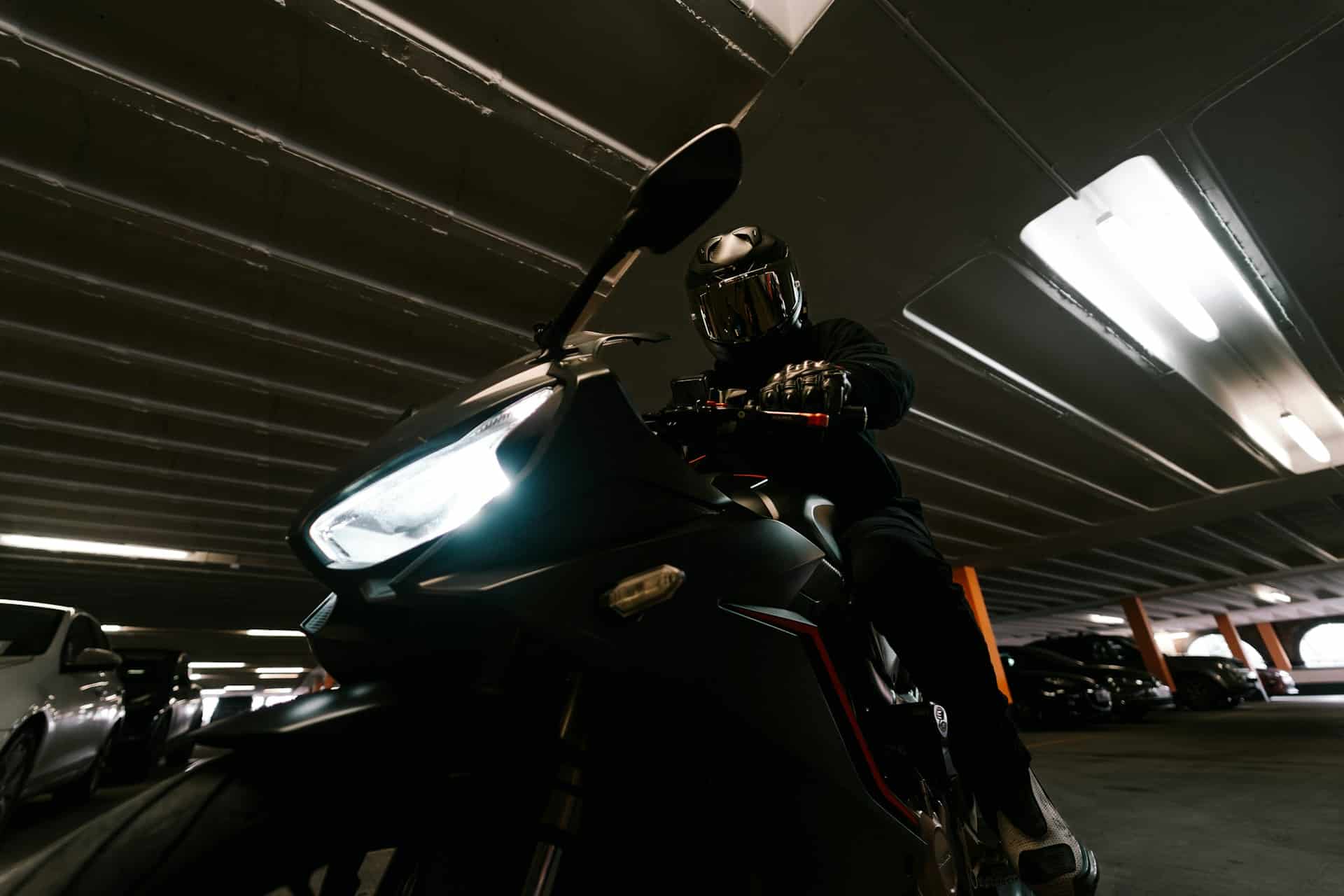
Save Money on Your VIC Motorcycle Test Gear
Getting ready for your motorbike licence in VIC is exciting, but the cost of riding gear can hit hard. Helmet, jacket, boots, gloves, pants, and rain gear: it adds up fast, especially if you think you have to buy everything new before test day.
You cannot roll up to your course or test in jeans and a hoodie. Victorian road rules and training provider standards expect real protection. Examiners are trained to scan your gear the moment you walk in. If something is unsafe or clearly not protective, they can simply say you are not riding today.
In this guide, we will walk through what you can borrow, rent or share, what you really should buy before your motorbike licence in VIC test, and the common gear mistakes that cause problems. We will also touch on cooler, wetter autumn weather, when staying warm, dry and visible can make the difference between a calm test and a miserable one.
Know the VIC Test Gear Rules Before You Spend
Before you spend a cent, it helps to know the basic standards. In Victoria, learners are expected to turn up in gear that gives full skin coverage and real protection in a fall.
Training providers and examiners will expect:
- An approved motorcycle helmet
- Protective clothing with full skin coverage
- Sturdy, protective footwear
- Gloves made for riding
- Eye protection if your helmet is not full face
Even if something is technically legal on the road, your course provider can still say no if your gear looks unsafe, badly damaged or clearly not up to the standard they set for training and tests. Their first job is keeping you safe.
At Stay Upright, our gear requirements sit within what VIC Roads expects, but we often set the bar higher than the bare minimum. We want you to build solid habits from day one, so when you ride solo after getting your licence, you are already used to wearing proper protection, not just the lightest thing allowed by law.
What You Can Borrow or Rent for Your Test Day
The good news is you do not have to own every piece of gear before your first course or test. Many training centres, including ours, offer some items to borrow or hire.
Common loan or hire options include:
- Helmets in a range of sizes
- Gloves that meet safety standards
- Waterproof over-jackets or rain suits
- Hi-vis vests for extra visibility
- Training bikes for the course and test
These are usually offered on a first-come, first-served basis, and sizing can be limited, especially for very small or very large heads, hands or bodies. For helmets, there are often hygiene liners or hair nets, but most riders still prefer to own their own helmet long term.
Outside the training centre, there are other budget-friendly options:
- Borrowing gear from family or mates who ride
- Buying second-hand from online marketplaces
- Checking local riding groups for used jackets and pants
- Visiting local shops that stock last season’s gear at lower prices
If you borrow or buy second-hand, pay close attention to:
- The helmet’s approval sticker and labels
- Any cracks, deep scratches or impact marks
- Whether the visor is clear and secure
- How snug and comfortable the fit is
- Broken zips, torn seams or missing armour
In autumn, think about wind and rain. If you are using borrowed gear, you can layer a warm base layer or thin jumper under a jacket, as long as it does not restrict your movement or make the sleeves ride up. A light pair of waterproof over-pants can turn a set of normal riding jeans into a much drier, warmer setup.
Gear You Really Should Buy Before Your VIC Test
While you can borrow a lot, there are a couple of items we strongly suggest you own before test day. These are about safety, hygiene and making sure nothing stops you from riding.
Top of the list:
- A correctly fitted, standards-approved motorcycle helmet
- Sturdy boots that fully cover and protect your ankles
Relying on borrowed helmets can backfire. Your size might not be available that day, or the only helmet left might feel loose or painful. A poor fit can distract you during your test and is not as safe in a crash. The same goes for boots. If you turn up in shoes that are too soft or too low, you may not be allowed to ride.
Once you have your own helmet and boots, we suggest building a basic, budget-friendly kit you can keep using after you get your motorbike licence in VIC:
- An all-season motorcycle jacket with built-in armour
- Long protective pants or riding jeans with Kevlar or armour
- All-weather gloves with good grip and knuckle protection
To keep costs sensible:
- Look for end-of-season sales, especially as weather cools
- Consider reputable second-hand jackets and pants in good condition
- Focus on fit, stitching, armour and comfort before brand names
- Build your kit in stages, starting with the parts that protect you the most
The goal is not to have the fanciest brand. It is to have gear that fits well, covers you fully and will not fall apart if you lose balance or need to put a foot down fast.
Common Gear That Examiners Will Reject
There are some items that almost always raise a red flag. If you turn up in these, there is a good chance you will be asked to change or you will not ride at all.
Common no-go gear includes:
- Fashion helmets without standards approval
- Bicycle, skate or scooter helmets
- Ripped jeans, leggings or tracksuit pants
- Open shoes, thongs or slip-ons
- Sneakers that do not fully cover the ankle
- Thin fashion gloves or fingerless gloves
- Gear with big tears, missing armour or broken zips
Examiners take a quick look at your overall setup and think about a few key things:
- Is your skin fully covered from neck to ankles and wrists?
- Are your boots secure on your feet with good ankle support?
- Are there any loose straps or bits of clothing that could flap and distract you?
- Can you move your hands and feet freely to control the bike smoothly?
- Are you visible enough if the light is low or it is raining?
Before you leave home, do a simple test-day check:
- Stand in front of a full-length mirror and bend, twist and squat
- Sit on a chair as if you are sitting on the bike
- Check that no skin shows between gloves and sleeves or pants and boots
- Make sure your visor or glasses are clean and clear
- Pack a light backup layer or waterproof over-pants if the weather looks rough
Victorian weather can change fast, especially in autumn. Being able to add a layer or a waterproof shell can keep you focused on your riding instead of freezing or soaked.
Get Test-Ready on a Budget With Stay Upright
You do not need a high-end race suit to pass your motorcycle test. A smart order for spending is simple, borrow or rent what you can at first, invest early in a safe, approved helmet and good ankle-covering boots, then slowly build up to a full jacket, pants and gloves setup as you ride more often after you pass.
If you are unsure what your course or test will require, it is always worth checking in with your Stay Upright centre in Victoria ahead of time. Confirm what gear is provided or available to hire, what you need to bring yourself, and any seasonal tips they have for their specific location. That way, the night before your test, you can lay everything out, tick it off against their checklist and go to sleep knowing your gear will not be the reason you miss your chance at your motorbike licence in VIC.
Start Your Victorian Riding Journey With Confidence
If you are ready to get on the road safely and legally, we can guide you through every step of earning your motorbike licence in VIC. Our experienced instructors at Stay Upright focus on building real-world skills so you feel confident in all riding conditions. Book your course today or contact us with any questions about the best pathway for your riding goals.

