



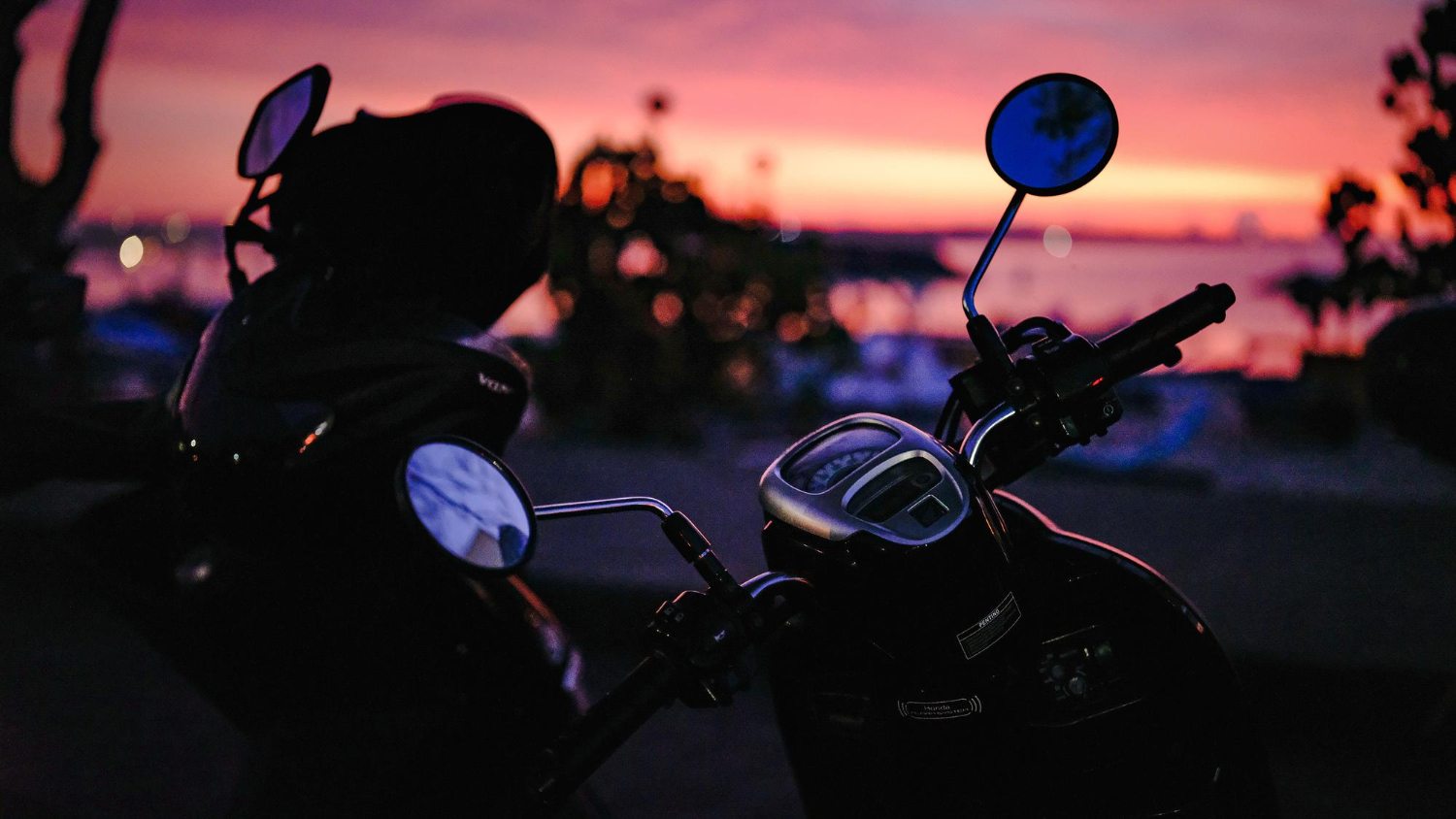
Getting your QLD motorcycle licence isn’t just about ticking boxes. It means being ready for real conditions on the road, including situations you’ll face after the sun goes down. That’s where night riding assessments come into play. Riding in the dark can feel a bit intimidating to new riders, and understandably so. Limited visibility, changing traffic behaviour, and fatigue all play a part in making night riding a bigger challenge than riding during the daytime.
Many people worry about the night riding stage when working toward their licence. There’s that extra concern about seeing clearly, being seen by others, and having enough control over the bike when it feels like everything is happening faster. But once you understand what to expect and how to prepare properly, night riding can not only become less stressful, it can boost your confidence for all kinds of riding conditions. Let’s run through what this part of the test involves and how to feel more in control when the lights go low.
Understanding Night Riding Requirements
In Queensland, part of getting your motorcycle licence includes proving you can operate safely during different types of conditions. Night riding is one of them. This doesn’t mean you’ll be riding on pitch-black back roads with no lights anywhere. The focus is on handling your bike under lower light, recognising hazards earlier, and making sure you’re clearly visible to others the whole time.
Assessors aren’t out to trick you, but they do pay close attention to how you manage speed and space when your surroundings change. Here’s what they’re really looking for:
– Smooth control over the bike with clear use of brakes and throttle
– Correct use of headlights, indicators, and mirrors
– Choosing safe lines through corners and responding calmly to oncoming headlights
– Situational awareness, especially judging traffic behaviour in low light
– Keeping a safe following distance and adjusting for limited visibility
You’re not expected to ride like a pro, but the assessor needs to feel confident that you’ll be able to make safe choices when lighting conditions aren’t ideal. Riders who rely only on muscle memory from daytime riding could struggle if they haven’t taken the time to adjust to riding after dark. For example, someone used to reading their speedo in clear daylight might suddenly realise they’re spending too long looking down instead of watching the road when it’s darker out. That’s the kind of thing assessors want to see you’ve prepared for beforehand.
Being comfortable with night riding shows that you’re adaptable and paying attention to the road environment. And when you keep things smooth and steady, you’ll be setting yourself up for a better result.
Preparing For Riding Tests With Supervised Night Rides
Getting ready for your night riding test in Queensland means setting yourself up to be comfortable, confident, and alert once the lights go down. It’s not just about being able to ride at night, but showing you can do it safely with clear awareness and control. Good results often come down to solid prep, and the small things matter just as much as the big ones.
Start with the right gear. You’ll want clothing that has reflective materials or add-ons that help make you easier to spot. A light or white helmet can also help. Keep in mind that certain colours disappear into the dark more than others, so your usual jacket might not cut it. Make sure your bike’s lights, indicators, and mirrors are clean and working well. Dull bulbs or dirty lenses affect how well others can see you and how clearly you can pick up what’s ahead.
Here are some easy and helpful things to check before taking the test:
– Make sure your headlight is aimed correctly so it lights the road without blinding others
– Test both low and high beams and confirm your indicator lights are bright
– If your visor fogs, use anti-fog spray or leave it slightly open while riding
– Check your tyres as grip and pressure are even more important in cooler night conditions
– Clean all reflective tape or gear so it works properly
Before the actual test, ride your regular route during the evening or in low-light areas. Focus on adjusting your vision and getting used to how different everything looks without full sunlight. Let your eyes shift naturally between the brightest and darkest parts of the road and practise smooth braking and turns when visibility is low. That kind of practice will help settle your nerves during the real thing.
Tips For Safe Night Riding
Your test performance isn’t based on speed. It’s about how well you can judge risks, stay focused, and ride properly through changing conditions. Night riding takes a bit more thinking and anticipation than riding in daylight because you have less information to work with. To ride safely, you’ll need to sharpen your awareness and act with purpose.
Here are a few things that help with safer riding at night:
– Scan ahead more often than you would during the day. Spots of glare or sudden shadows can hide lots of problems
– Use your high beam whenever you’re not following or facing other vehicles to give yourself better range of vision
– Slow down earlier before intersections or turns so that your brake lights alert others and give yourself time to react
– Stay extra aware of pedestrians, road signs, and animals which are harder to see until the last second
– Avoid looking straight at oncoming headlights. Glance to the left edge of your lane when a car approaches to reduce glare
Road surfaces at night often hide issues that are easy to spot in the day. Potholes, loose gravel, wet patches, and oil can all blend into the darkness and catch riders off guard. Riding defensively means giving yourself enough time and space to react when something unexpected pops up. Keep your distance from other vehicles and don’t trust that others will see you without effort on your part. Make your movements clear, give signals early, and keep your lights as visible as possible.
Learning these habits makes a big difference when you’re being assessed. It shows calm thinking, controlled riding and a respect for both your own safety and that of others sharing the road.
How Stay Upright Can Help You Ace the Test
While practising solo will get you partway there, working with an experienced rider or structured program can make the process faster and safer. When someone walks you through night riding techniques with real-time feedback, you can course correct before bad habits lock in.
Professional help gives you practical insight into what assessors watch for, how to manage nerves, and how to stay calm when lights, sounds, or road conditions create pressure. They can also help fine-tune your riding posture, help you master smooth movements in poor lighting, and teach you how to balance caution with confidence.
It’s easy to miss small mistakes if you’re only relying on your own judgement. Having training sessions guided by those who know what Queensland road testers look for saves time, reduces risk, and often clears up lingering doubts about your nighttime road skills.
Illuminate Your Riding Skills
Night riding might seem like the hardest part of the QLD motorcycle licence test, but with the right preparation it becomes just another hurdle you’re ready to clear. Understanding what’s expected, building up safe habits, and doing practice rides during low light are where most of the growth happens. If you can make good riding choices and stay aware, that confidence will naturally carry over to the test.
Take it step by step. Focus on safety, practice regularly, and learn how to ride with more care, not more speed. Clear preparation gives you the best chance at passing the test and becoming the kind of rider who handles anything the road throws at them, day or night.
With everything in mind, getting your QLD motorcycle licence can be an enriching journey when you’re prepared for night riding challenges. Stay Upright offers courses to help you build skills and boost your confidence. Learn more about how we support riders through every step of the licensing process with our QLD motorcycle licence training programs.

